Artificial Intelligence in Indian Agriculture
Artificial intelligence (AI) is rapidly emerging as a transformative force in Indian agriculture, offering solutions to long-standing challenges such as low productivity, climate variability, pest outbreaks and inefficient supply chains. As the country seeks to ensure food security for a population of over 1.4 billion while improving farmer incomes, experts say AI adoption is no longer optional—it is a “bus India cannot afford to miss.”
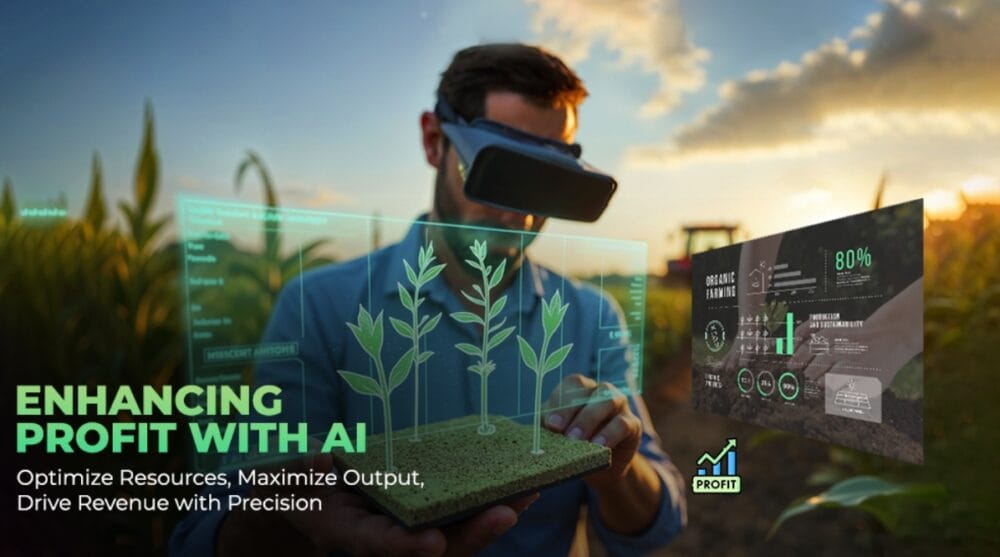
AI-powered technologies are enabling a shift toward precision farming. Using data from satellites, drones, sensors and weather stations, AI systems can analyse crop health, soil moisture and climate conditions in real time. This helps farmers apply water, fertilisers and pesticides more efficiently, reducing input costs and environmental impact while improving yields.
Drones equipped with AI and computer vision are increasingly being used to monitor fields and detect early signs of pest infestations or disease. Early intervention allows farmers to protect crops before damage becomes severe, a crucial advantage in a country where pests and diseases cause significant crop losses each year.
The government has also begun integrating AI into agricultural governance and advisory services. Initiatives such as AI-driven digital platforms and multilingual advisory tools aim to provide farmers with real-time recommendations on crop management, weather risks and market prices.



Also Read: PM Modi Urges Shift Toward Export-Oriented Agriculture
Beyond the farm, AI is improving crop insurance assessments, yield estimation and supply chain forecasting. By analysing geotagged crop data and remote sensing information, AI systems can make insurance claims faster and more transparent while helping policymakers plan food production and distribution.
However, challenges remain. Limited digital infrastructure, small landholdings and lack of farmer training could slow adoption. Bridging these gaps through affordable technologies, rural connectivity and capacity building will be key.
If harnessed effectively, AI could usher in a new era of productivity, sustainability and resilience in Indian agriculture—ensuring that the country’s farmers are not left behind in the digital revolution.
Also Read: How to Build Daily Mental Health Habits That Work